




Why Harvest Mice?
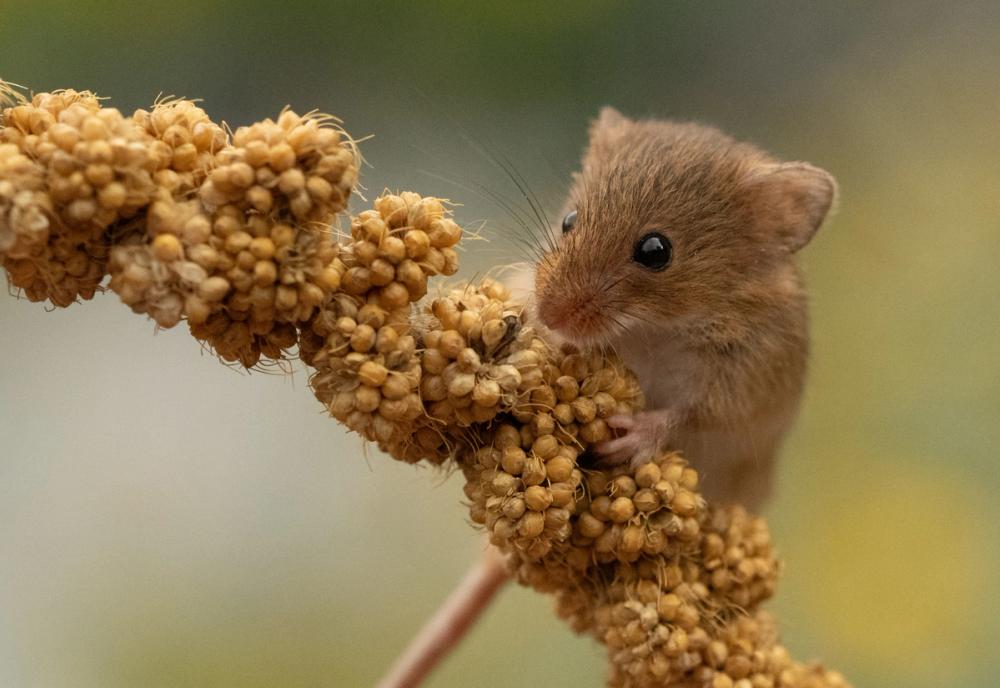
Harvest mice — photographs by Zac
Ecology
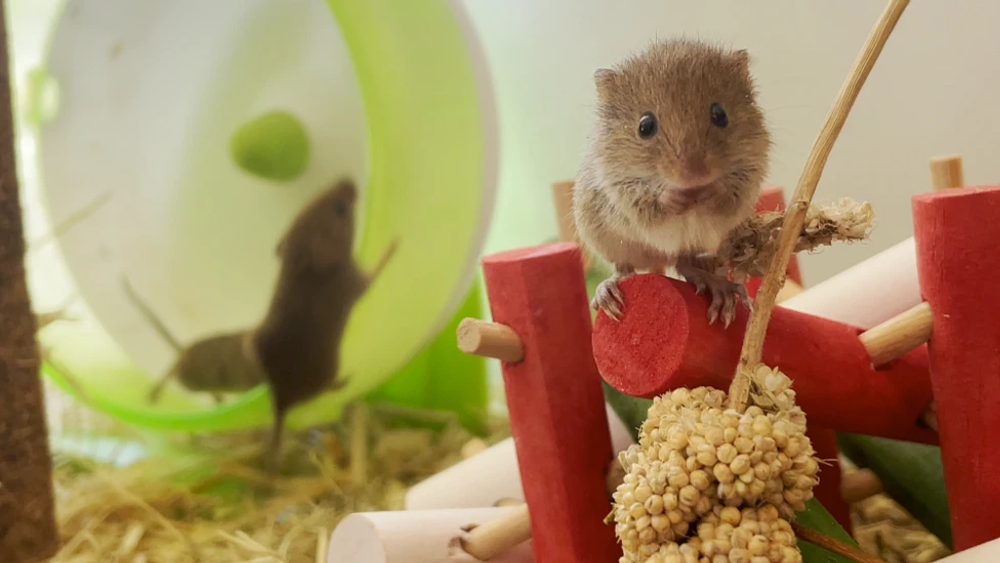
The harvest mouse is the UK’s smallest rodent and one of our most distinctive native mammals. Weighing only around the same as a two-pence coin, harvest mice are excellent climbers, using their long, prehensile tail almost like a fifth limb to grip stems as they move through vegetation.
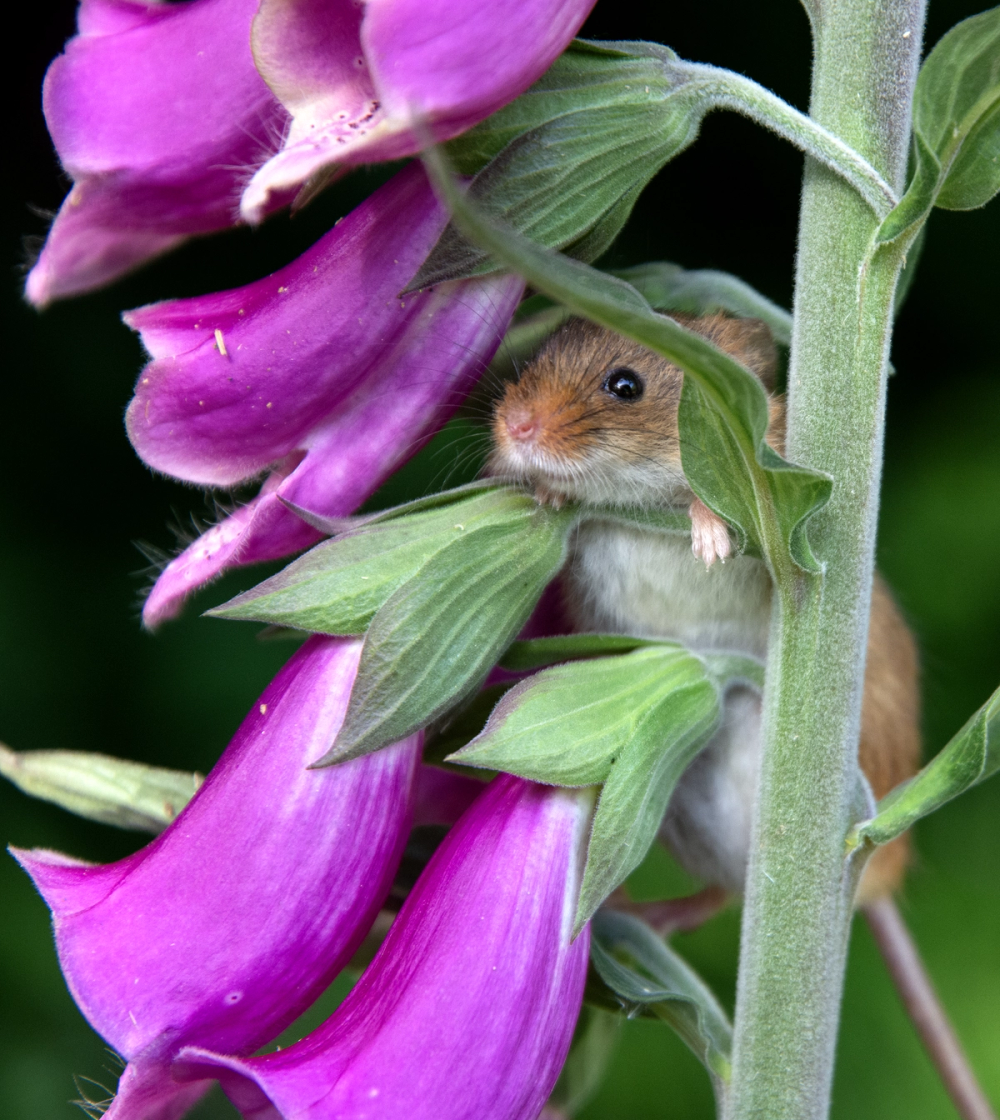
Harvest mice live mainly in areas of tall, dense vegetation, including rough grassland, field margins, reedbeds, wetlands and hedgerows. Their diet varies throughout the year and includes seeds, grasses, fruits and insects. In turn, harvest mice form part of the wider food web, providing prey for species such as owls and other predators.
Behaviour
Male and female harvest mice will generally get along well until the female becomes pregnant. When the female becomes pregnant, her and the male may become aggressive and start fighting. This is when a male would usually leave or they would need to be separated. The female harvest mouse is pregnant for about 19 days and will then gives birth to a litter of around 6 pups.
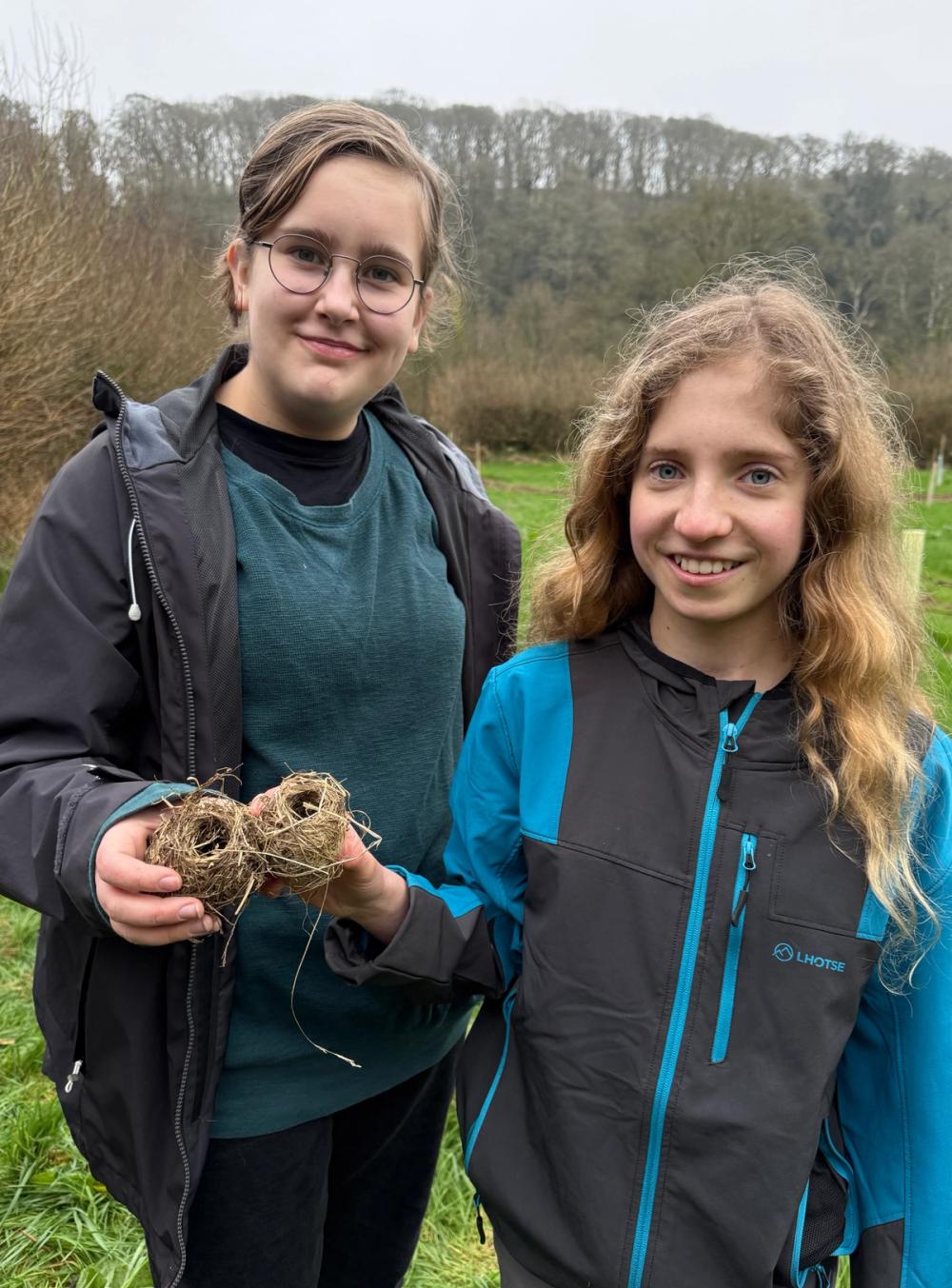
Prior to the birth, females build distinctive spherical nests by weaving together living grasses and other vegetation above the ground. These pups will stay in their spherical nest once born and will be weaned by mum until they reach 2-3 weeks old. After this, the pups generally separate from their mum and head out on their first adventures to find food and eventually other mates.
Conservation status
Harvest mice are currently classified as Near Threatened in the UK on the IUCN Red list, with evidence showing a long-term decline in their distribution and abundance. A national survey in the 1990s found harvest mouse nests at only 29% of sites where they had previously been recorded and more recent monitoring has continued to raise concerns about their relative abundance.Their decline is closely linked to the loss and fragmentation of the tall, dense vegetation they depend upon. Changes in agricultural practices, including more intensive farming, frequent cutting of grasslands and the loss of field margins, have reduced suitable places for harvest mice to feed, breed and shelter. Pesticide use, habitat destruction, poor connectivity between remaining habitats and the effects of climate change also place pressure on harvest mouse populations.
Conservation efforts therefore focus on protecting and restoring suitable habitat, improving connectivity between populations, monitoring existing populations and through carefully managed conservation reintroductions. With the right habitat and long-term management, reintroduced harvest mouse populations have shown that they can successfully establish and persist.
Why harvest mice matter
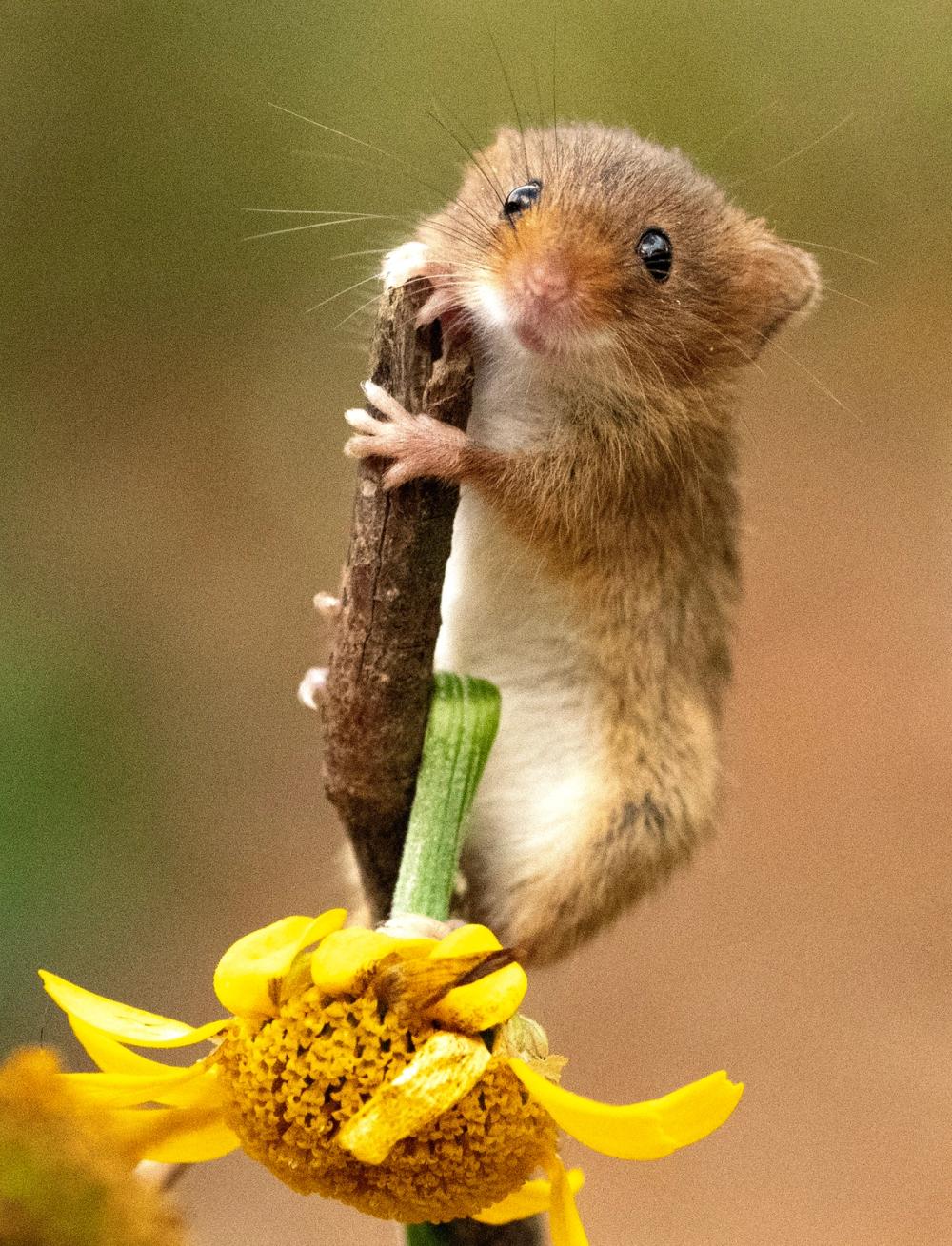
Harvest Mice are an important species in the UK as they are significant for the health of the food chain and they also act as a bio-indicator species. Harvest mice are both prey and predators, consuming insects which can be agricultural pests as well as being a food source for many native predators such as stoats, foxes, badgers and birds of prey.
Harvest mouse presence can help us understand the condition and connectivity of their habitats. They are a flagship species for restoring structurally diverse farm and grassland ecosystems. By conserving harvest mice and creating more suitable, connected habitat for them, we can help support healthier and more resilient ecosystems for many other native species too.
Future Wild Pets species
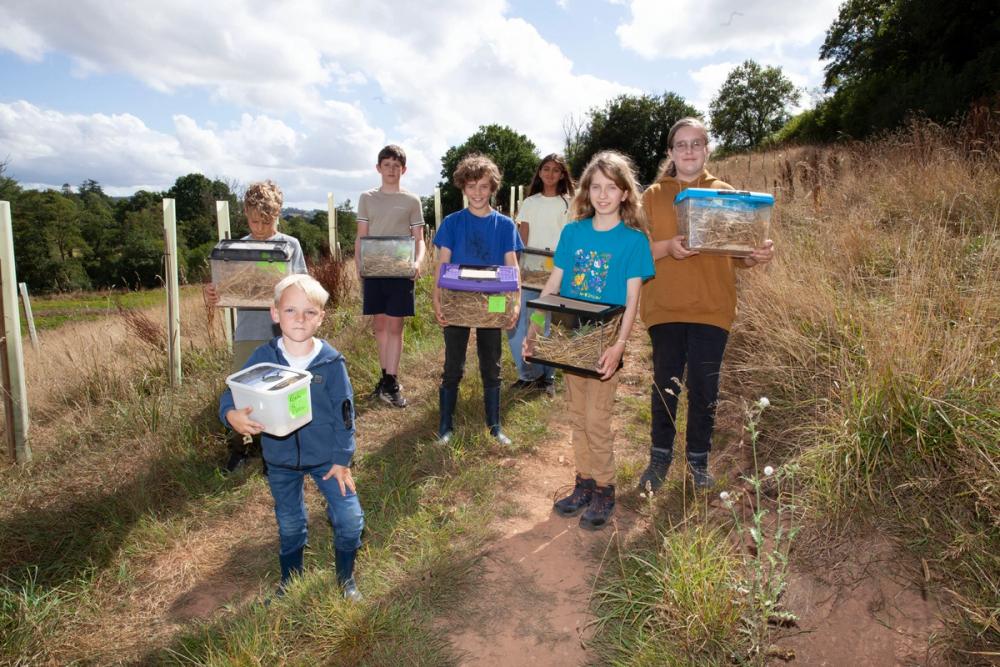
We hope that harvest mice are just the beginning! In the future, we aim to expand Wild Pets to support the conservation and reintroduction of other threatened native species, potentially including moths, butterflies, glow-worms and even amphibians. Many of the UK’s native species are struggling as a result of habitat loss, climate change and other human-driven pressures. We believe we have a responsibility to give something back to nature - helping wildlife recover while giving more young people the opportunity to play a meaningful, hands-on role in its future.
Research & further reading
- An introduction to harvest mice ecology & survey techniques - Mammal Society.
- Harvest Mouse Conservation Translocation - Restore Nature
- Harvest Mouse Release Scheme - Chester Zoo
- Breeding and release programme of harvest mice - Northumberland Zoo